Hitachi Energy Brand System Implementation
Share this article
- Filter Name
-
Client
Hitachi Energy
-
Industry
Energy, Electrification

Executive Summary
Following the carve-out from ABB, Hitachi Energy required a new global brand system to operate independently across regulated energy markets. The challenge was to build a coherent identity and governance structure across 90+ markets while ensuring operational continuity.
We developed and implemented a scalable brand framework, including visual identity, governance model, and rollout system. The project enabled consistent global positioning, clarified ownership structures, and supported the company’s strategic focus on sustainable energy infrastructure.
The result was a structured brand ecosystem ready for long-term growth.
Client & Context
Hitachi Energy operates in the global energy infrastructure sector, serving utilities, governments, and industrial clients.
The company emerged from a major corporate transformation and required:
- independent positioning,
- global brand consistency,
- alignment with sustainability commitments,
- operational rollout across regulated markets.
Energy infrastructure is compliance-driven and reputation-sensitive.
Brand inconsistency creates trust risk.
Business Challenge
The main challenge was to establish an independent global brand system after corporate separation while maintaining market confidence.
As a newly structured organization, unclear brand governance could lead to:
- inconsistent communication,
- reputational risk in regulated markets,
- internal inefficiencies.
This became critical due to simultaneous global operations and stakeholder scrutiny.

Key Strategic Decisions
1. Visual-first launch vs. governance-first approach
Option A: Prioritize visual identity rollout.
Option B: Establish governance and system architecture first.
We chose governance-first.
Reason: In regulated industries, clarity of ownership and approval flows is more critical than visual speed.
2. Centralized enforcement vs. structured enablement
Option A: Strict central control over all materials.
Option B: Central standards with enablement tools for regions.
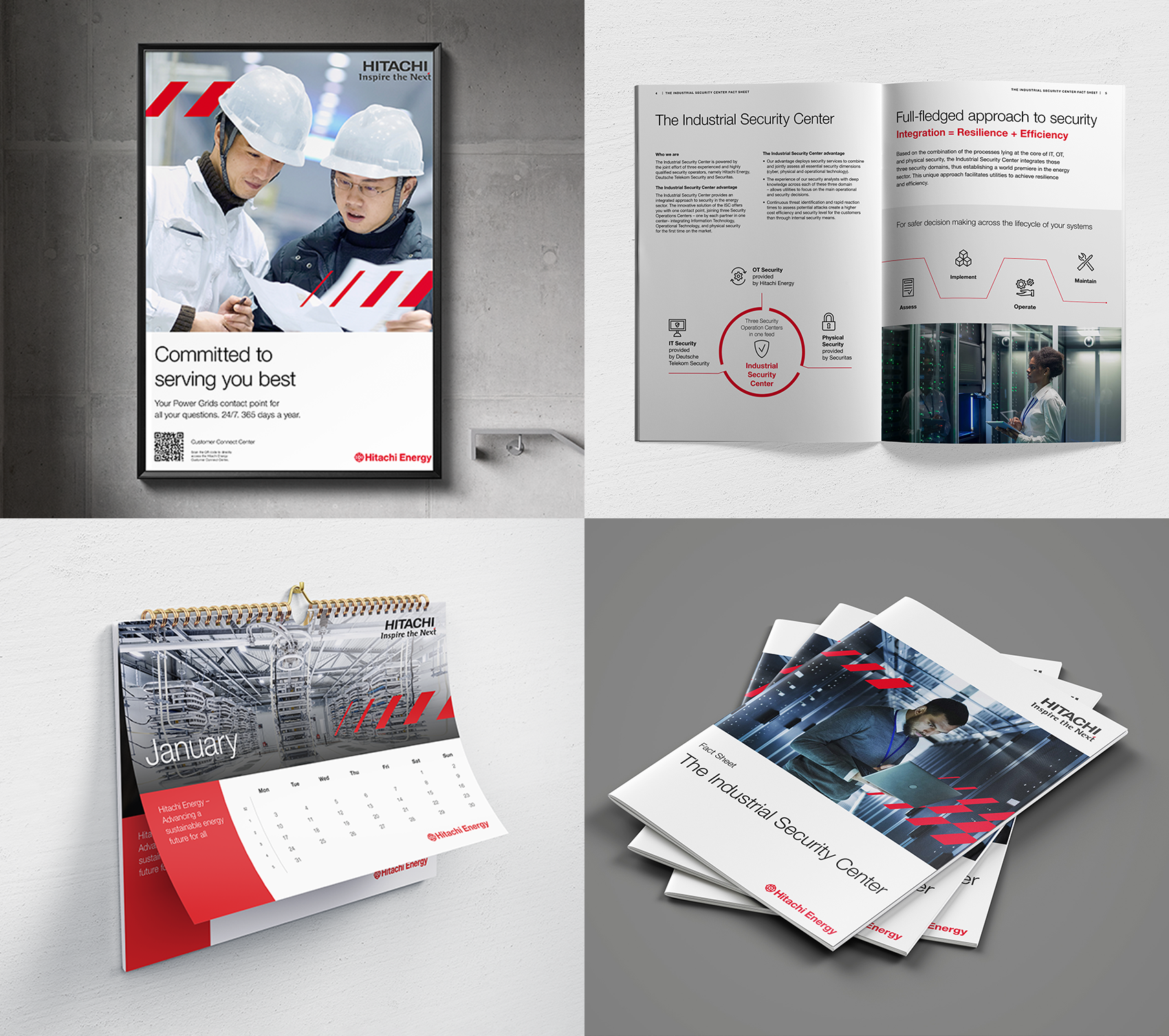
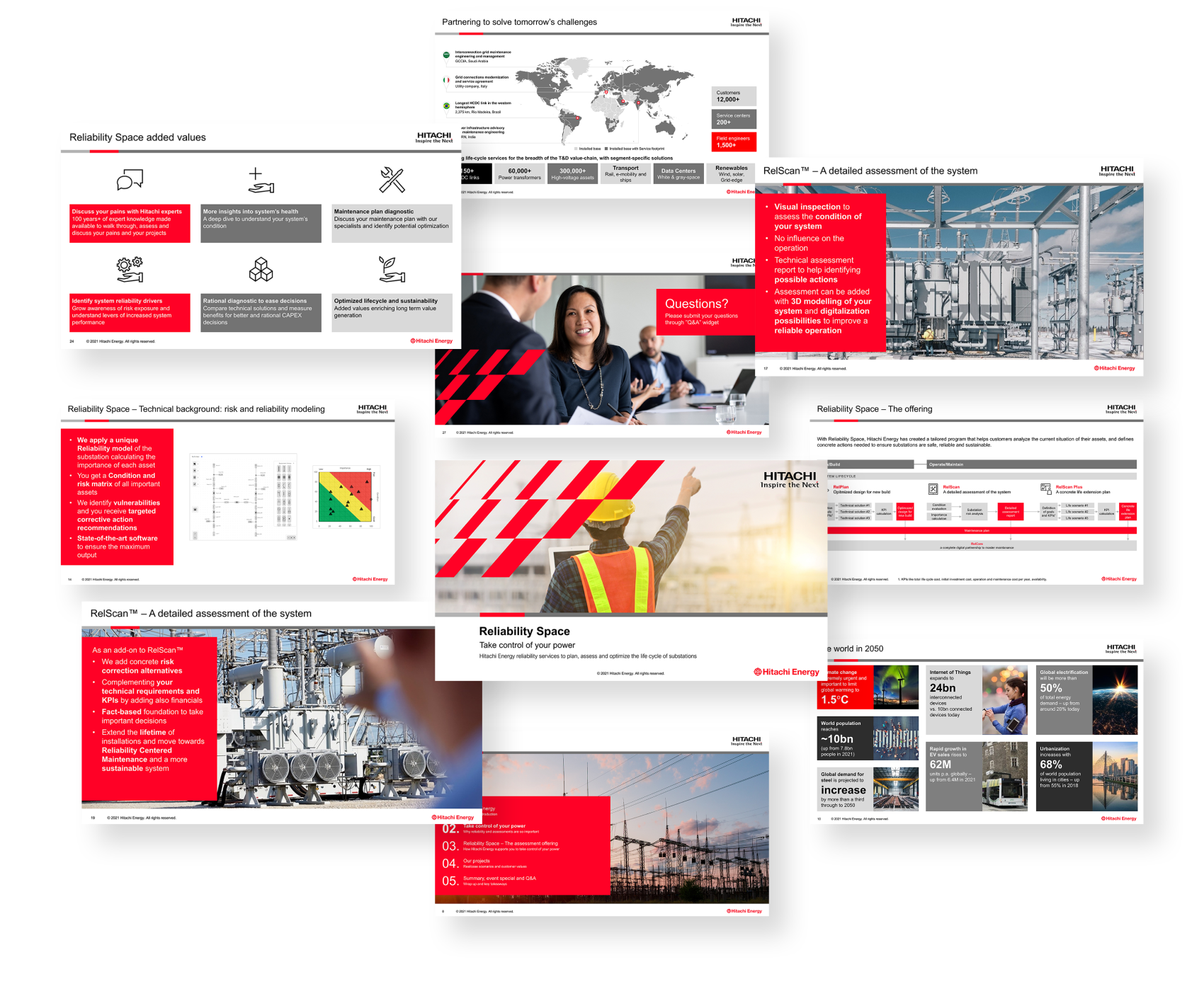
We developed structured brand manuals, templates, and rollout playbooks.
This accelerated adoption without increasing compliance risk.

Objectives & Success Metrics
- Launch independent global brand identity.
- Implement governance model across regions.
- Ensure compliance alignment in regulated markets.
- Enable efficient asset creation and approval.
Observable results:
- Global brand system deployed across markets.
- Clear ownership and approval workflows defined.
- Reduced ambiguity in communication processes.
- Stronger alignment with sustainability positioning.
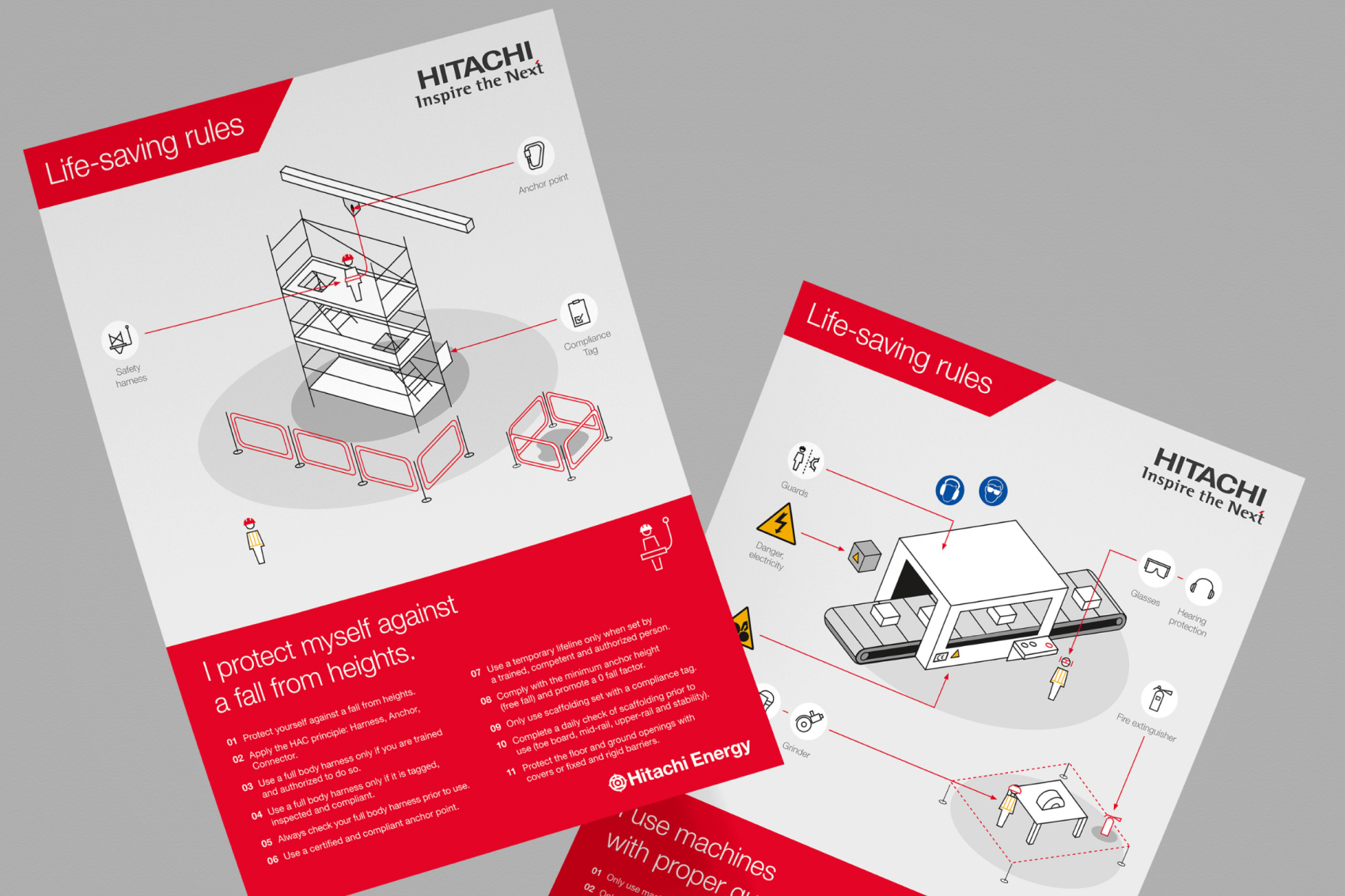
Execution
The implementation included:
- brand strategy clarification,
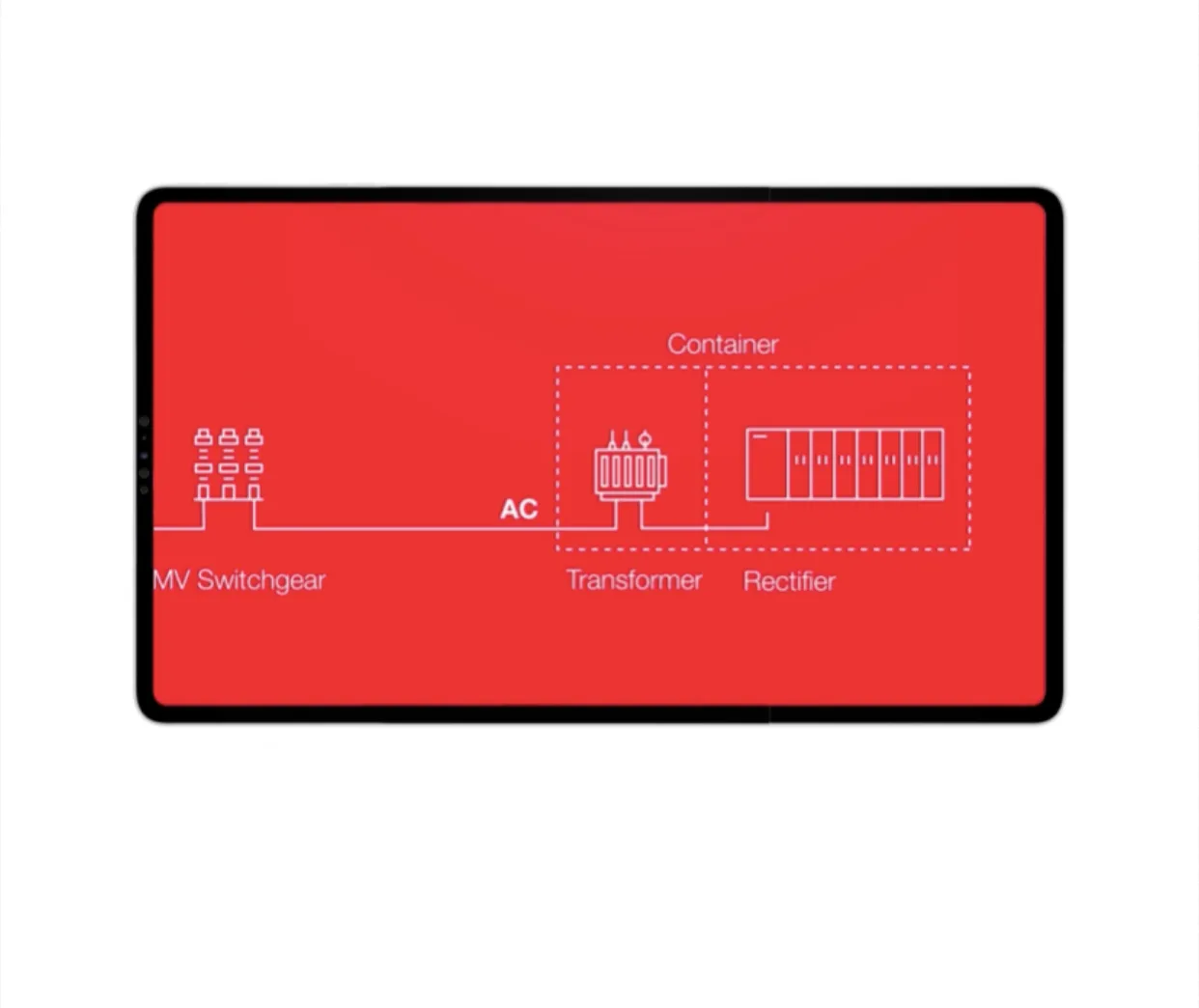
- visual identity system design,
- governance documentation,
- compliance alignment workshops,
- global rollout support and training,
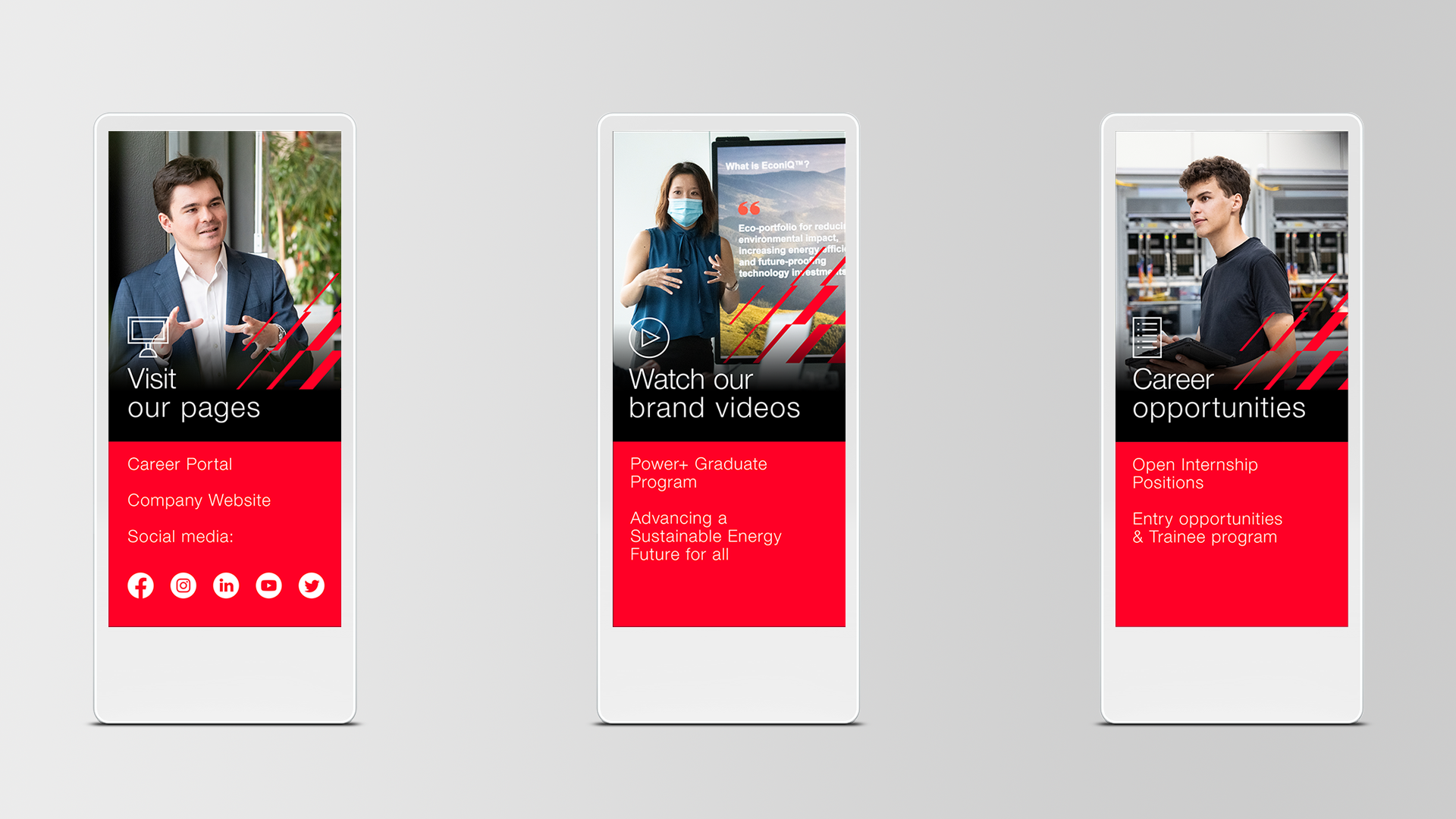
- digital and physical touchpoint migration.
The focus was scalability and long-term operational clarity.
Learnings & Transferability
- In regulated industries, governance precedes design.
- Transformation periods require clarity over speed.
- Brand systems must integrate compliance structures.
- Structured rollout reduces internal resistance.
Best fit: post-carve-out, post-merger, regulated global sectors.
Adaptation required: fast-moving consumer brands with low compliance constraints.

Let's talk!