January 21, 2026
Our Artists: Why creativity doesn’t end after work hours
Share this article
Our Artists is a space for creativity that exists outside briefs, deadlines, and job titles.
At Admind, we work with designers, strategists and creators, but many of them continue creating long after the workday ends. Not for clients and not for awards. Simply because they need to make something.
We created this series to:
Once a month, we introduce one Admind artist and the work they create beyond the brief.
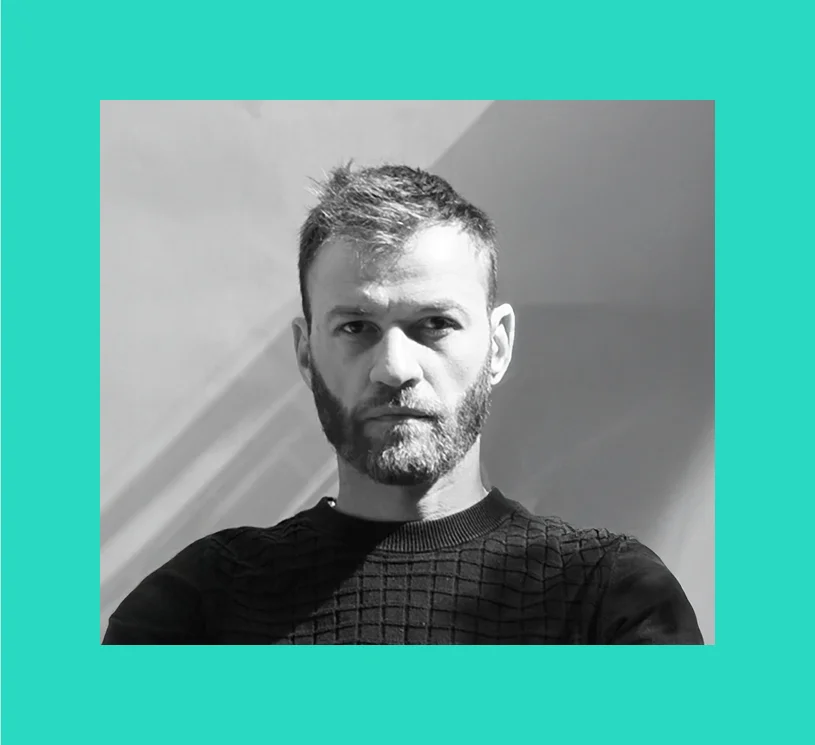
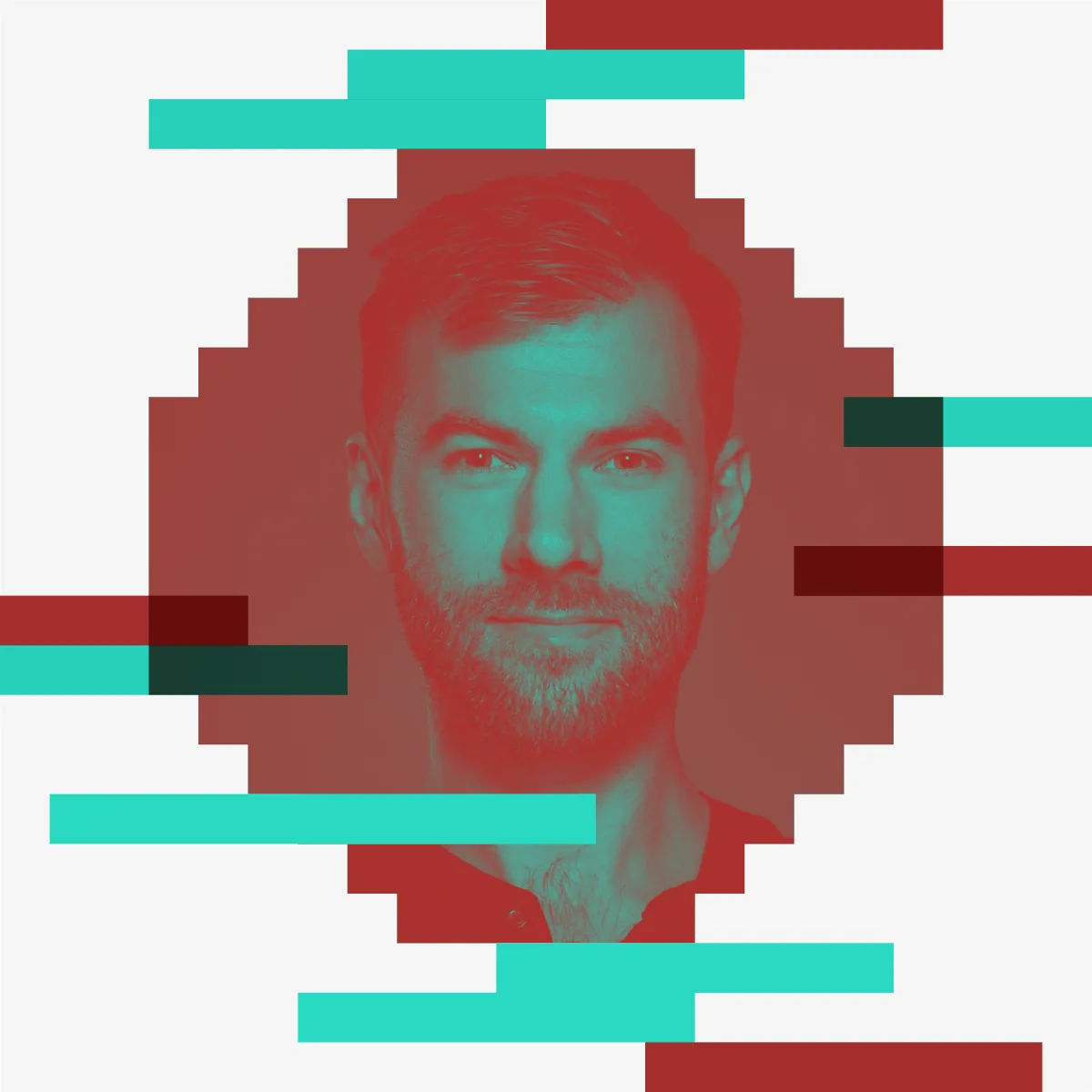
Arek Haratym is a Senior Graphic Designer who has been part of Admind since 2017. That’s quite impressive, isn’t it?
He joined the agency after working on the ABB account and moved to Admind together with his longtime friend and colleague Jędrzej Chojnacki. Arek is a graduate of Applied Engineering at AGH University of Science and Technology in Kraków and as surprising it is we believe that his background stands for his structured yet experimental approach to design.
We chose Arek to open the series because his personal work reflects something many creatives experience but rarely talk about openly: creative friction.
That honesty (and the work that comes out of it) is exactly what Our Artists is about.
It’s a personal response to creative fatigue built through connection, humour and constraint.
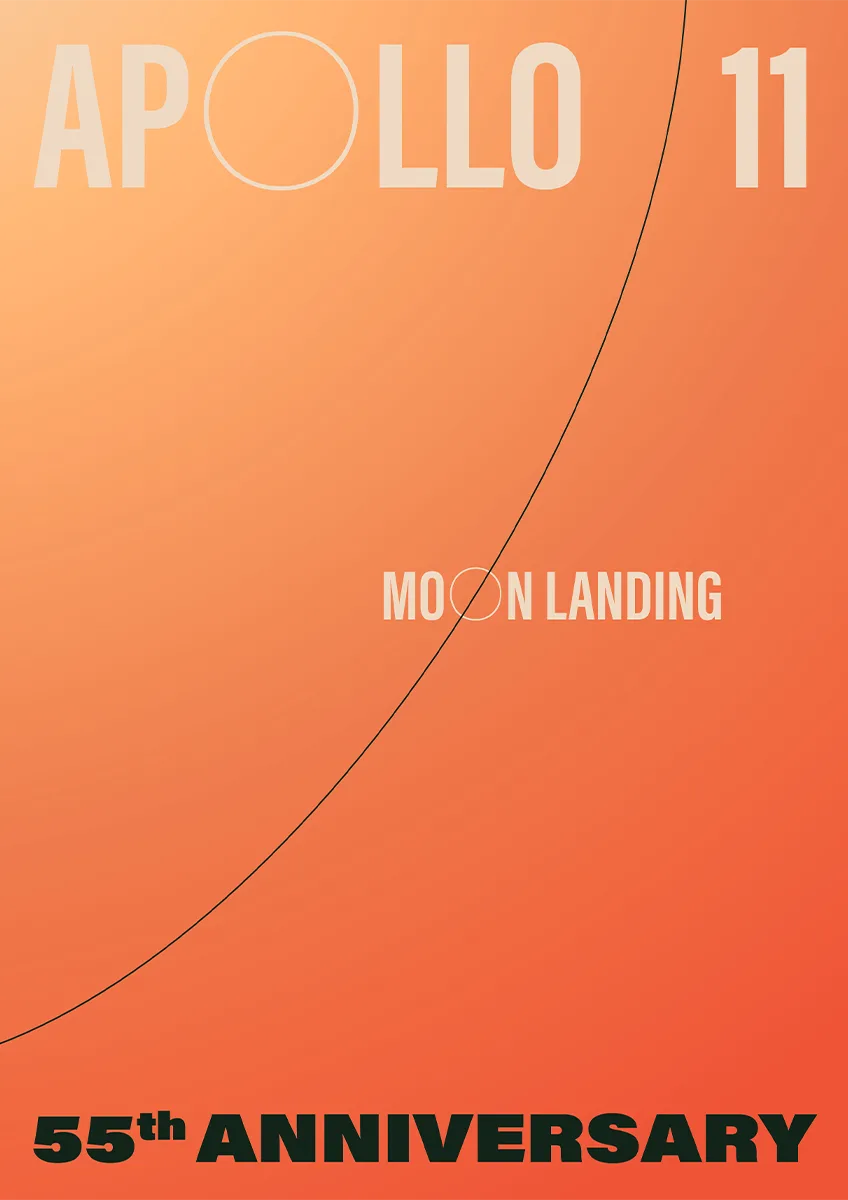
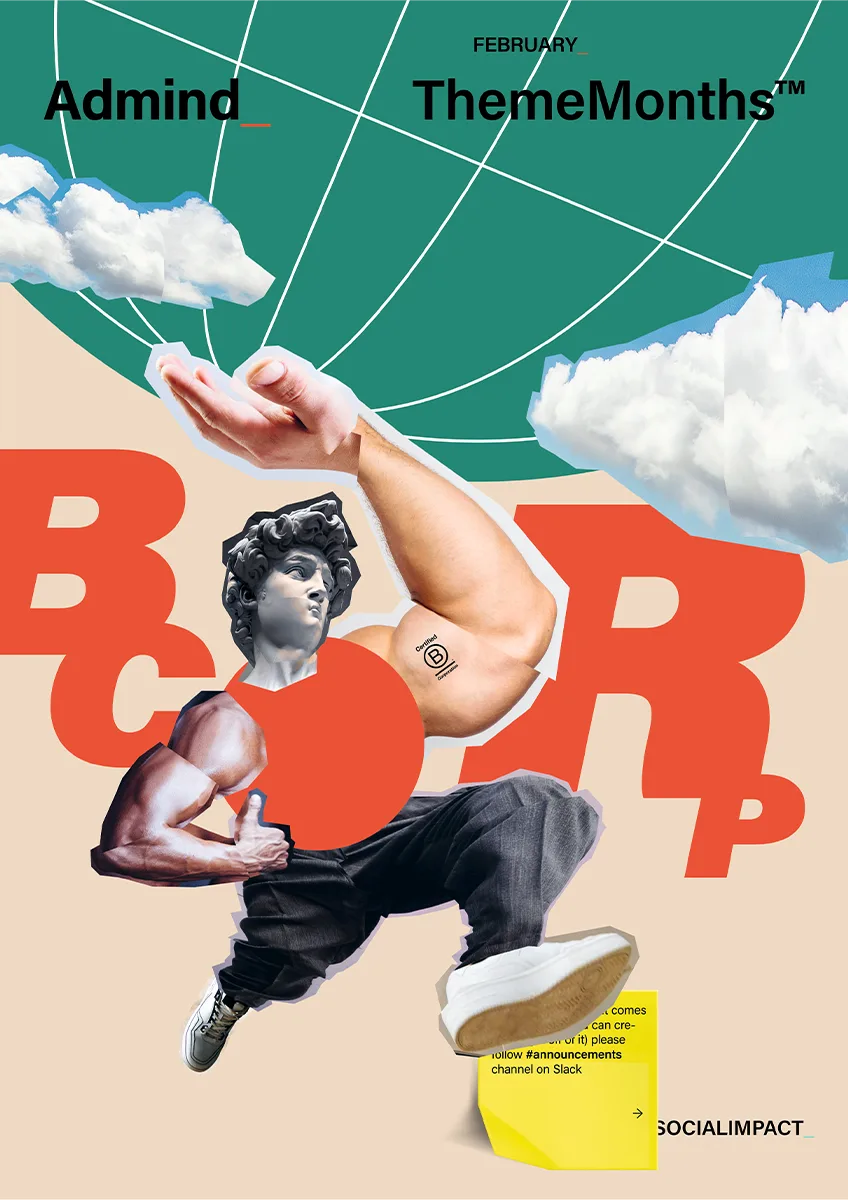
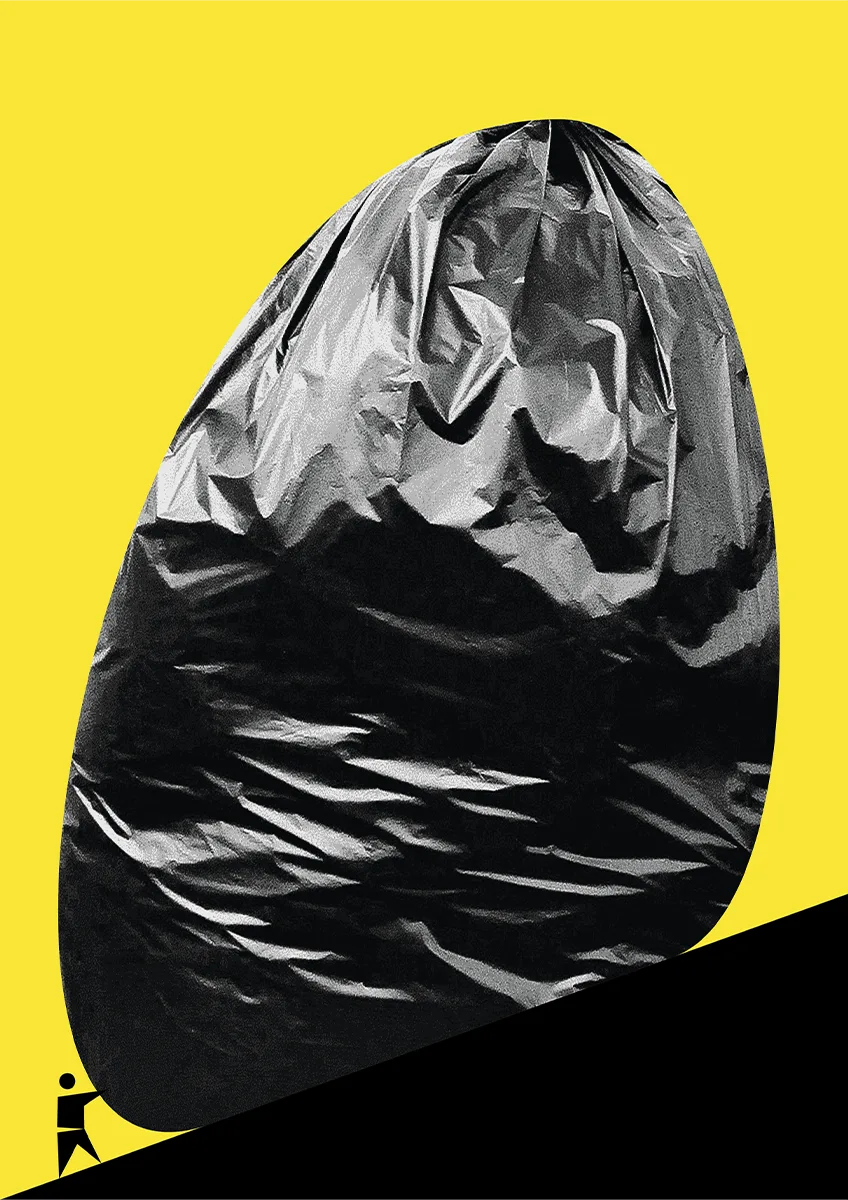
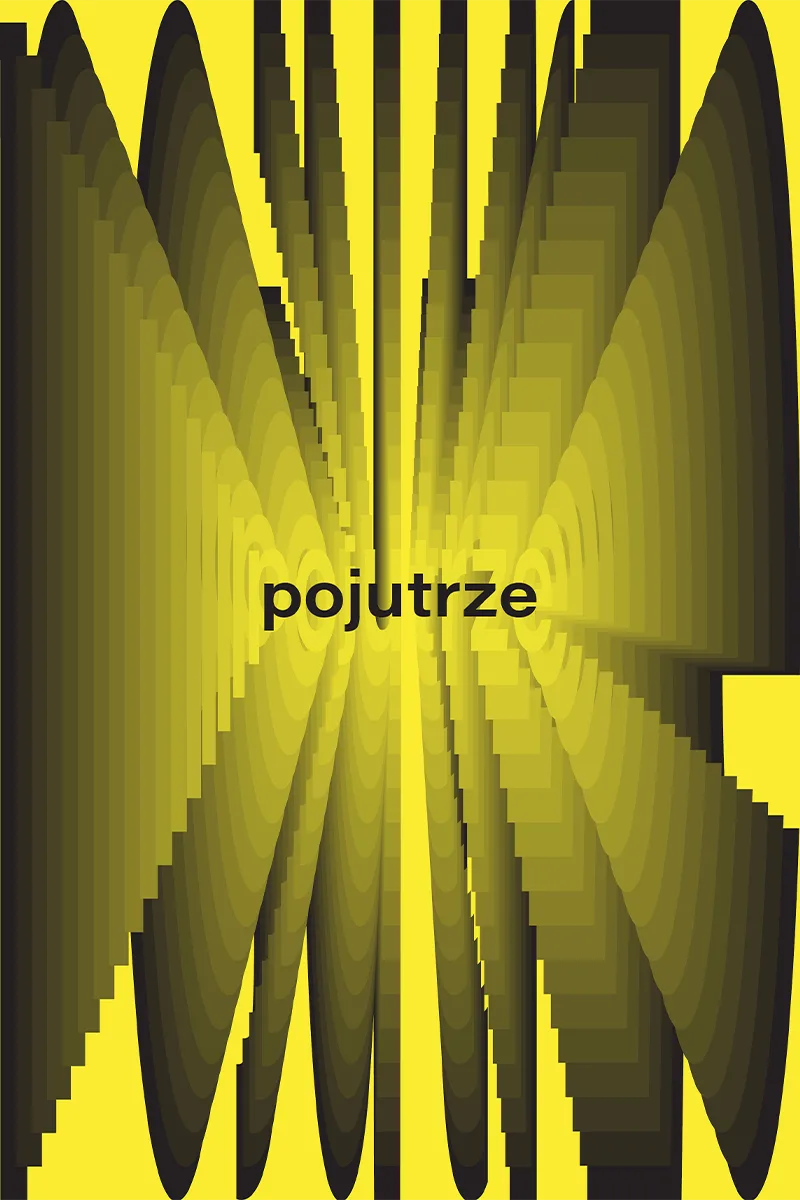
In the videos accompanying the posts on our Instagram, Arek talks about a series of postcards he created for his colleagues at Admind. Each postcard:
From the outside, they look playful and minimal. In practice, they function as:
This is first-hand creative practice and not theory, not trend commentary, but lived experience inside a creative organization.
Gosh, I don’t know, nothing snappy comes to my mind. I’m a designer first and foremost and I wouldn’t even consider myself an artist. It’s a loaded term.
Drained, but ultimately satisfied. It’s a constant struggle to overcome the gap between what I envision and what I can realistically achieve in a reasonable amount of time.
A little bit of everything. If I had to choose, I would say that the people in my everyday life are the most important factor in my work.
In terms of visuals, I like geometric patterns combined with a DIY aesthetic, typographic elements, and a crude sense of humour. I primarily use digital techniques, but making an effort to work more with pen, paper, and scissors.
It depends. With postcards, for example, I freely explore different ideas. When it comes to posters, I try to do some research first.
It breaks up the routine and, over time, helps you to understand the craft better.
None of the above, really. It’s about the creative process, constant learning, and overcoming struggles. I find that satisfying. And if you can make someone smile in the end, even better.
What’s stopping you and why is it so important? If you want to do it, you just do it. Find a topic, a technique or a routine that suits you and start working.
Because creative work doesn’t thrive on efficiency alone.
From our experience at Admind – working with multidisciplinary teams and long-term brand systems – we see clearly that:
Arek’s postcards are a mini case study in how constraints + personal meaning can unlock new energy. Without pressure, KPIs, or deliverables.
If you’re stuck, tired, or uninspired:
Start small. Start personal. Start imperfect.
That’s not a complete solution; creativity is always more complex but it’s a proven starting point.
This is only the beginning.
Each month, we’ll introduce another Admind artist and the work they create after hours – with their own process, doubts, methods, and motivations.
Follow the series, explore the projects, and start something of your own!