February 04, 2026
CSR that actually works (Why “nice campaigns” are no longer enough and what real impact looks like)
Share this article
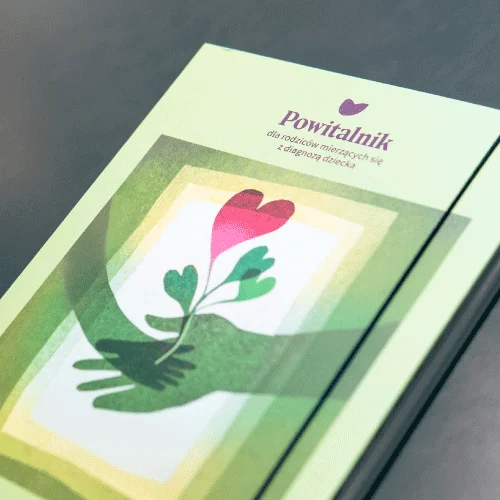
CSR no longer works as a one-off campaign. Today, responsibility must be useful, systemic, and measurable. The Powitalnik project shows how CSR can create real social change, earn industry recognition, and support business goals at the same time. This article shares: a real-life CSR case study, a clear manifesto for modern CSR, a practical checklist brands can use immediately.
If you’re responsible for brand, ESG, communication, or strategy this is for you.
Because people no longer believe in declarations without action.
For a long time, CSR followed a familiar script. Once a year, there would be a volunteering day. Sometimes there would be a symbolic donation. Occasionally, there would be a tree-planting initiative. Finally, there was a carefully designed PDF report that looked impressive but was rarely opened again.
None of this was wrong. Many of these actions were well-intentioned and sincere. But over time, something shifted. The world became more complex, fragile and unpredictable. Social tensions intensified, health crises exposed systemic gaps, climate anxiety ceased to be an abstract concept, economic uncertainty became part of everyday life.
In this context, mere declarations were no longer enough.
People began to expect more than just gestures. Customers, employees and younger generations started looking for genuine usefulness and solutions that actually help rather than just statements that sound responsible. They wanted to see if brands understood the world in which they operate, and if they were willing to take responsibility beyond communication.
This is why CSR can no longer be considered a separate entity from the business. When implemented effectively, it becomes integral to how an organisation creates value. It builds trust because it demonstrates credibility. It strengthens loyalty because it demonstrates consistency. It motivates teams by giving work a deeper sense of purpose. Over time, it becomes a source of lasting brand value not just because it looks good, but because it works.
This is the shift that CSR needs to make now.
Done well, it becomes:
But only if it’s designed properly.
Because they want to participate.
Modern audiences don’t want to read that ‘a company helped’. They want to use something, be part of something and recommend something that has genuinely helped them or someone close to them. Passive storytelling without real value feels empty.
Because social washing is easy to spot.
Health, disability, equality and mental well-being are sensitive areas. If a brand uses these areas only as communication themes without providing real solutions, its credibility will collapse faster than its reach grows.
Because impact takes time.
CSR activities designed as a single campaign end when reporting ends. Real social change requires continuity, ownership, scaling and systemic thinking.
The most effective CSR initiatives today look less like campaigns and more like well-designed products or services. Things that are created to be used and relied on when needed.
They start in the same way as good products: with a clear understanding of who the user is and what problem they are facing. From there, everything else follows: the partners who bring credibility and expertise; the delivery model that makes the solution accessible; and the metrics that demonstrate its effectiveness.
This is also why modern CSR doesn’t end on launch day. It unfolds over months or even years. It connects education with communication, technology with human experience, and social impact with real-world implementation. Rather than producing a single moment of attention, it creates lasting value. Rather than collecting nice stories, it delivers measurable results. And rather than choosing between doing good and doing business, it demonstrates that the two can reinforce each other.
Powitalnik is one example of this approach in action: a project designed to be used when it matters most, not just seen once.
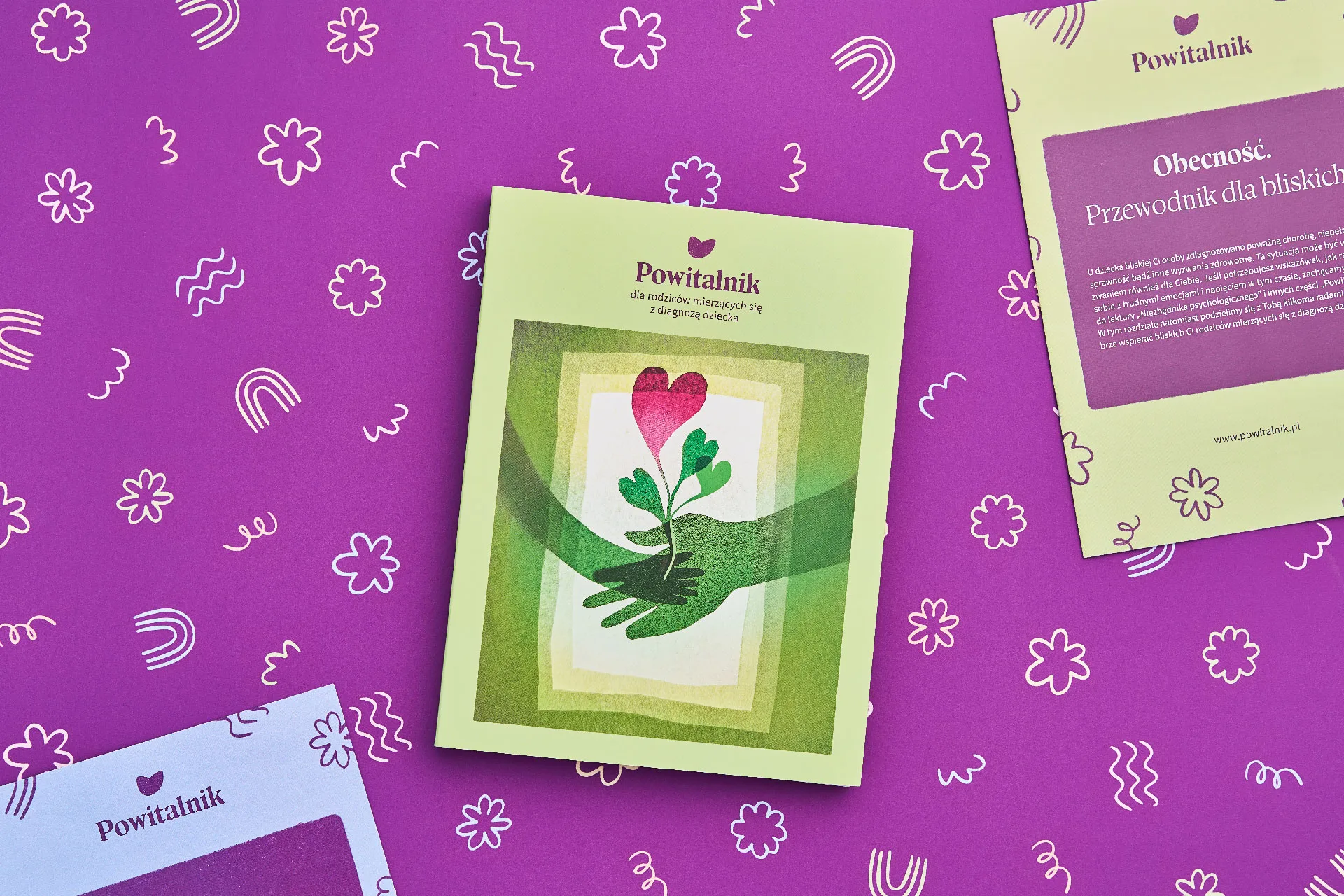
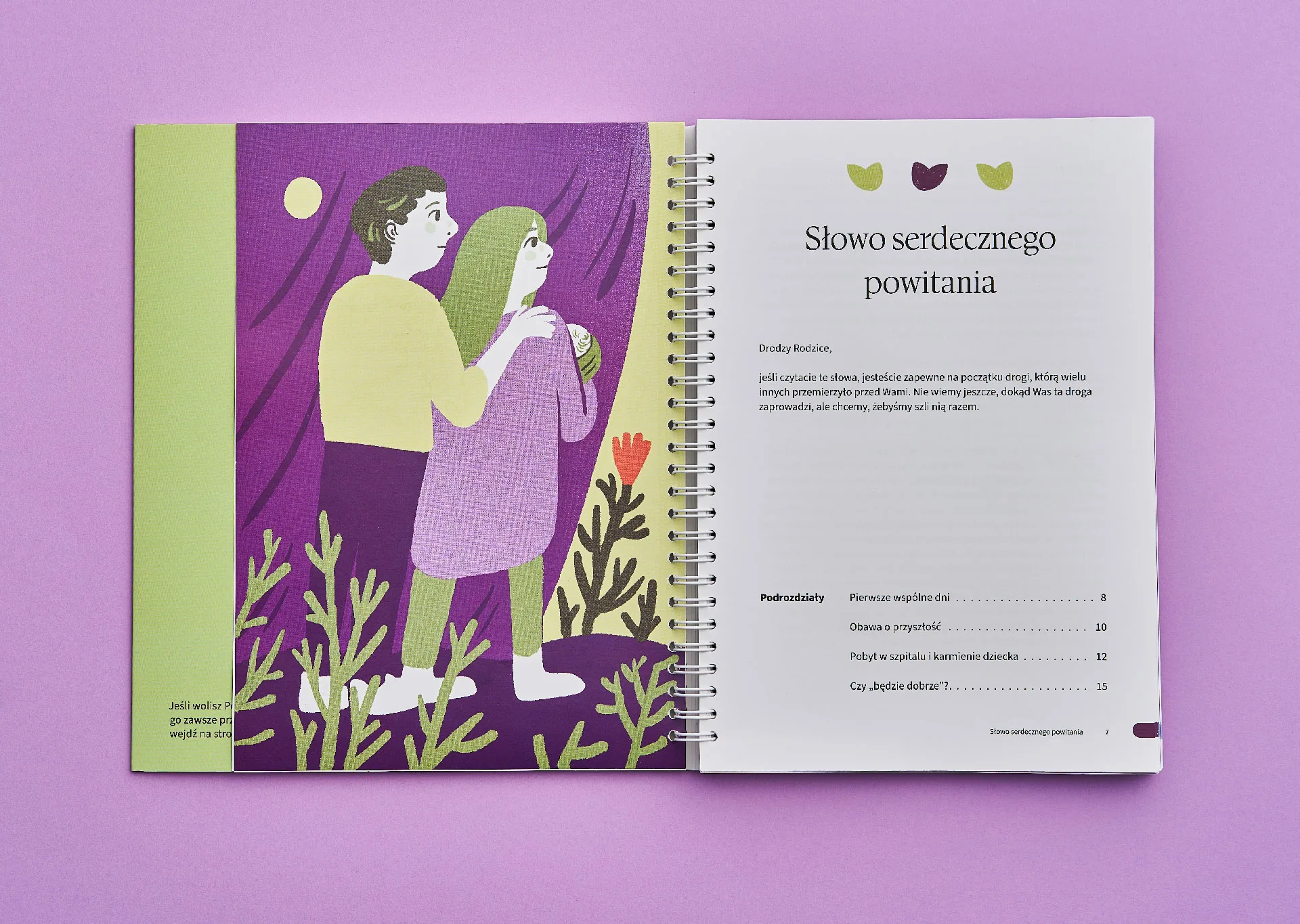
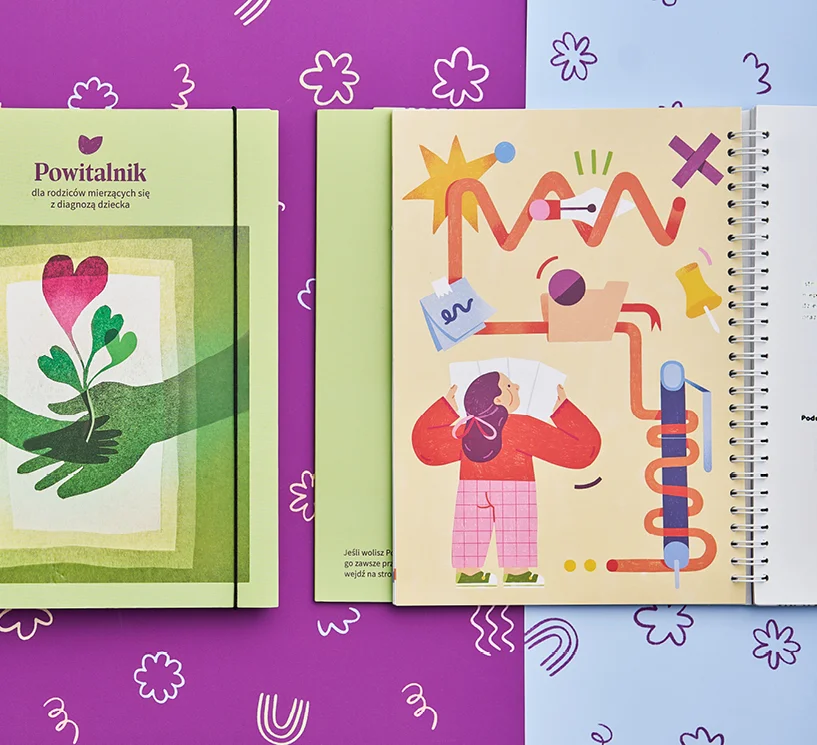
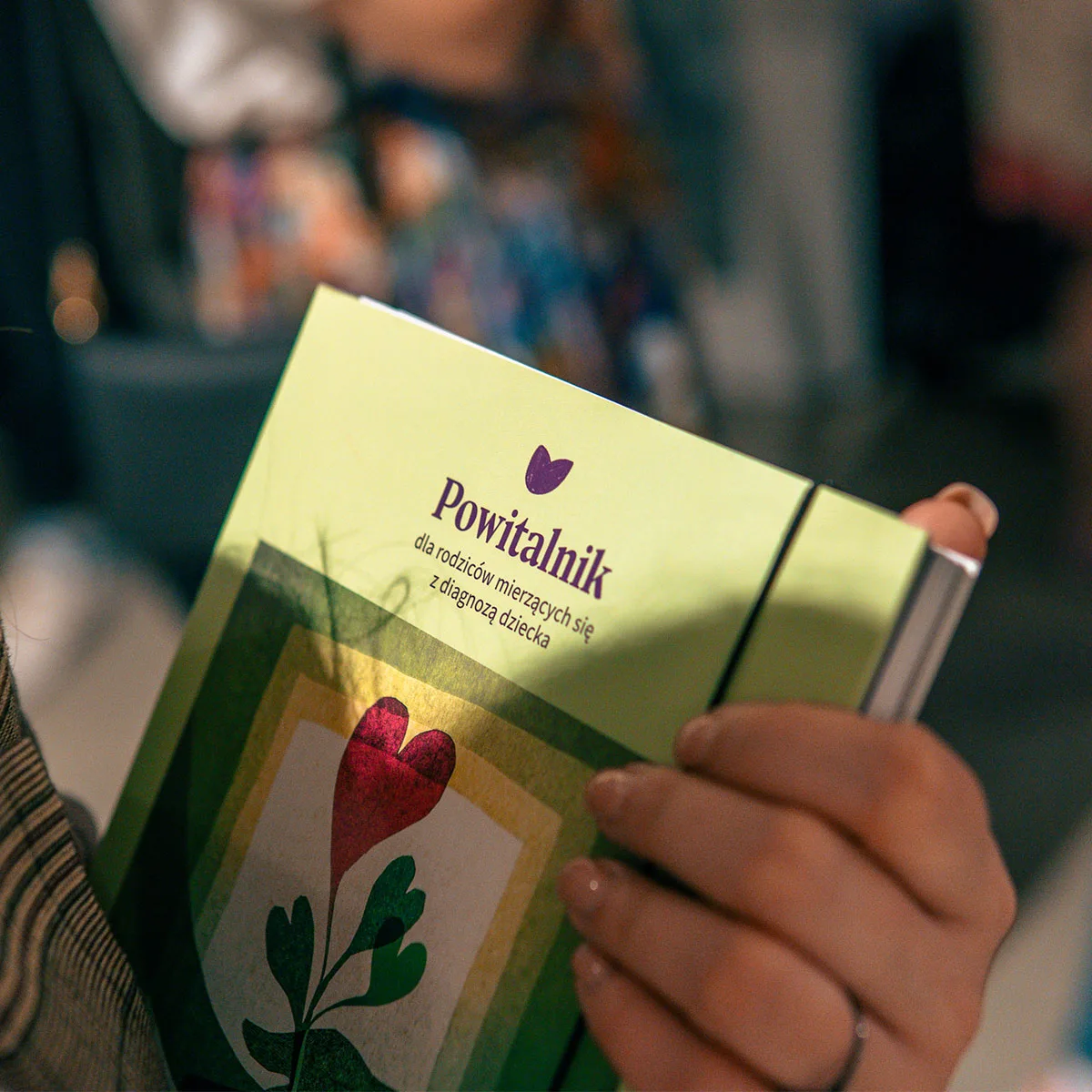
Powitalnik is a comprehensive guide for parents facing their child’s diagnosis, initiated and created by Stowarzyszenie Mudita and later developed by Fundacja Stocznia. It was created to respond to a very real, systemic gap in Poland’s healthcare and social support system. One that becomes painfully visible at the exact moment families need support the most.
Every year, around 10,000 children are born with disabilities in Poland. Medical professionals delivering a diagnosis are often under immense time pressure. Even with the best intentions, they frequently lack the tools to support parents emotionally, and rarely have structured, accessible materials they can hand over when words are no longer enough.
For parents, that moment is overwhelming. Shock comes first, then fear. Grief, even before anything is fully understood. A deep sense of loneliness. Anxiety about a future that suddenly feels uncertain and unfamiliar.
Powitalnik does not promise easy answers. Instead, it offers something far more valuable: orientation and presence. It helps parents name and understand what they are feeling, guides them toward reliable psychological, legal, and organizational support, and perhaps most importantly reassures them that they are not alone.
From the very beginning, the guide was designed not only for parents, but also for those who stand beside them: close family members, doctors, therapists, and medical professionals who support families in the fragile period following a diagnosis. It is a tool meant to be used, shared, and returned to whenever that support is needed.
At Admind Branding & Communications, we joined the project pro bono, contributing what we know best: strategy, design, communication, and partnerships.
Our role included:
This is an important point: This was not CSR as storytelling. It was CSR as shared competence.
We contributed real resources: time, expertise, creative talent, networks and the involvement of our entire organisation. Rather than putting the brand at the centre, we focused on creating a tool that could stand alone. One that would be useful, durable and genuinely supportive for those who needed it most.
Because we didn’t promote the publication. We promoted the problem. The communication strategy focused on a social diagnosis: the lack of systemic support for parents receiving a child’s diagnosis.
The goals were clear:
There was no media budget. The campaign relied entirely on earned media.
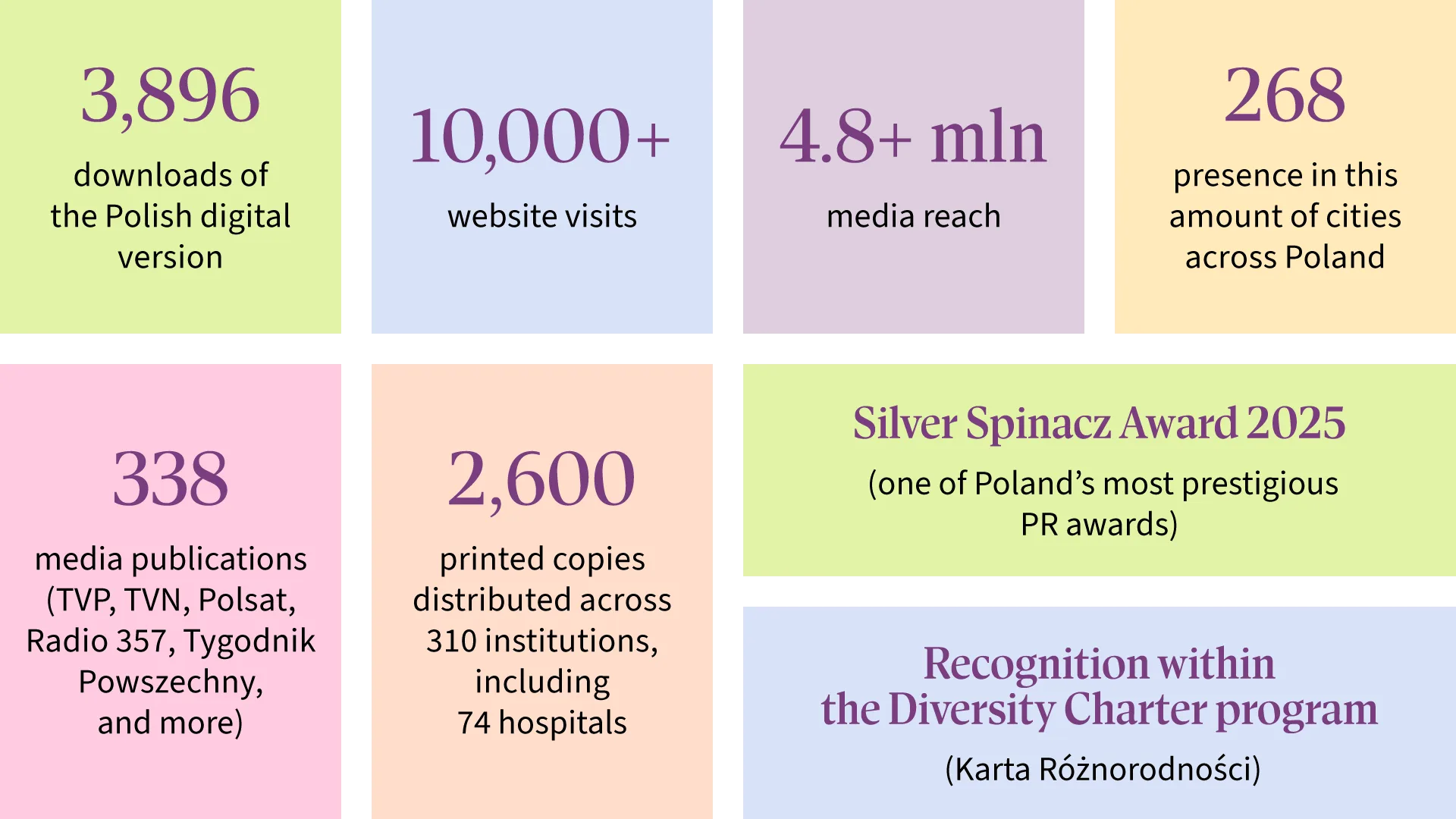
Quantitative results (first-hand data from Admind, Stowarzyszenie Mudita, Fundacja Stocznia, and the Institute of Media Monitoring (Instytut Monitorowania Mediów)
Qualitative impact (data provided by the Evaluation Center (Ośrodek Ewaluacji).
Yes. And that matters.
Our involvement in Powitalnik:
CSR did not replace business goals. It reinforced them.
Because it checks every box of modern responsibility:
It is also the first publication of its kind in Poland and unique on a European scale.
CSR is not an add-on. It is not a supplementary campaign. CSR is a decision: do we want to have an impact, or just be visible?
If you’re starting a CSR initiative tomorrow, ask yourself:
If more than two answers are “no” pause and redesign.
If you’re planning an ESG, CSR, or purpose-driven initiative and want to avoid empty gestures let’s talk.